
Why Your Strata Remediation Quote Is Probably Too High
Why strata committee members are overpaying for remediation work, and the conflict of interest built into the consultant process that's driving up costs.
Serving on a strata committee comes with its share of difficult moments, but few are quite as gut-wrenching as opening a remediation report and seeing the figure at the bottom of the page.
Before you accept that number, there's something you need to know: it's probably too high.
Not because the water damage or structural issue isn't real. It almost certainly is. But the process that produced that quote is often fundamentally broken, and most committee members have no idea.
The Conflict of Interest Nobody Talks About
Here's how it typically works. A building develops a problem. You engage a consultant to diagnose it. That consultant produces a report, recommends a fix, and then, more often than not, is the same person or firm that designs the solution and manages the remediation project.
Think about that for a moment.
The person telling you what's wrong is also the person telling you how to fix it, sourcing the contractors, and overseeing the work. There is no independent check on the scope, the methodology, or the price. The incentive to recommend a larger, more complex fix is baked right into the structure of the engagement.
This isn't necessarily malicious. But it is a conflict of interest, and it's costing strata owners across the country far more than it should.
What You Can Do About It
Awareness is the first step. Before your committee signs off on any remediation proposal, start asking questions. Who diagnosed the problem? Who designed the fix? Are those the same party? Has an independent assessor reviewed the scope? Have multiple contractors tendered on the same brief?
These aren't hostile questions. They're the questions any responsible committee member should be asking, and any reputable consultant should be comfortable answering.
Join Me in Sydney on June 4th
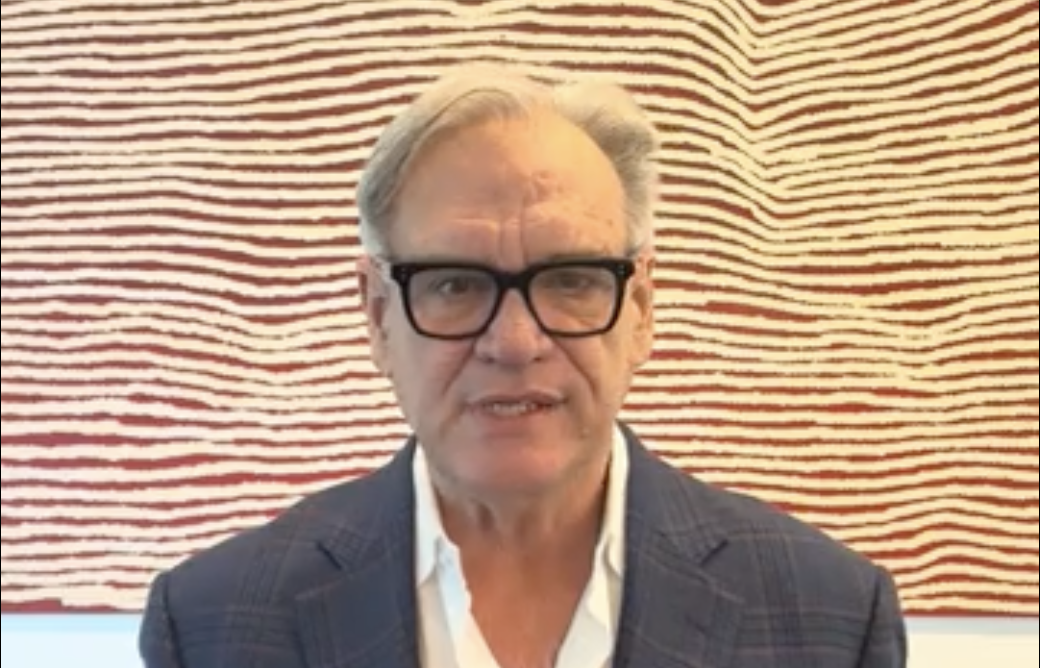
On June the 4th, I'm hosting a free keynote in Sydney where I'll walk through exactly why this conflict of interest exists, how it inflates remediation costs, and the specific questions you should be asking before you authorise a single dollar of work.
Seats are limited. Click here to register.
Your building deserves better than a broken process. Come and find out how to fix it.