
Six Court Cases, One Leaking Shower, and Zero Winners: A Case Study in How Not to Manage a Strata Dispute
$400,000 in legal fees. A leaking shower. Mismatched tiles. The most pathetic strata case ever litigated.
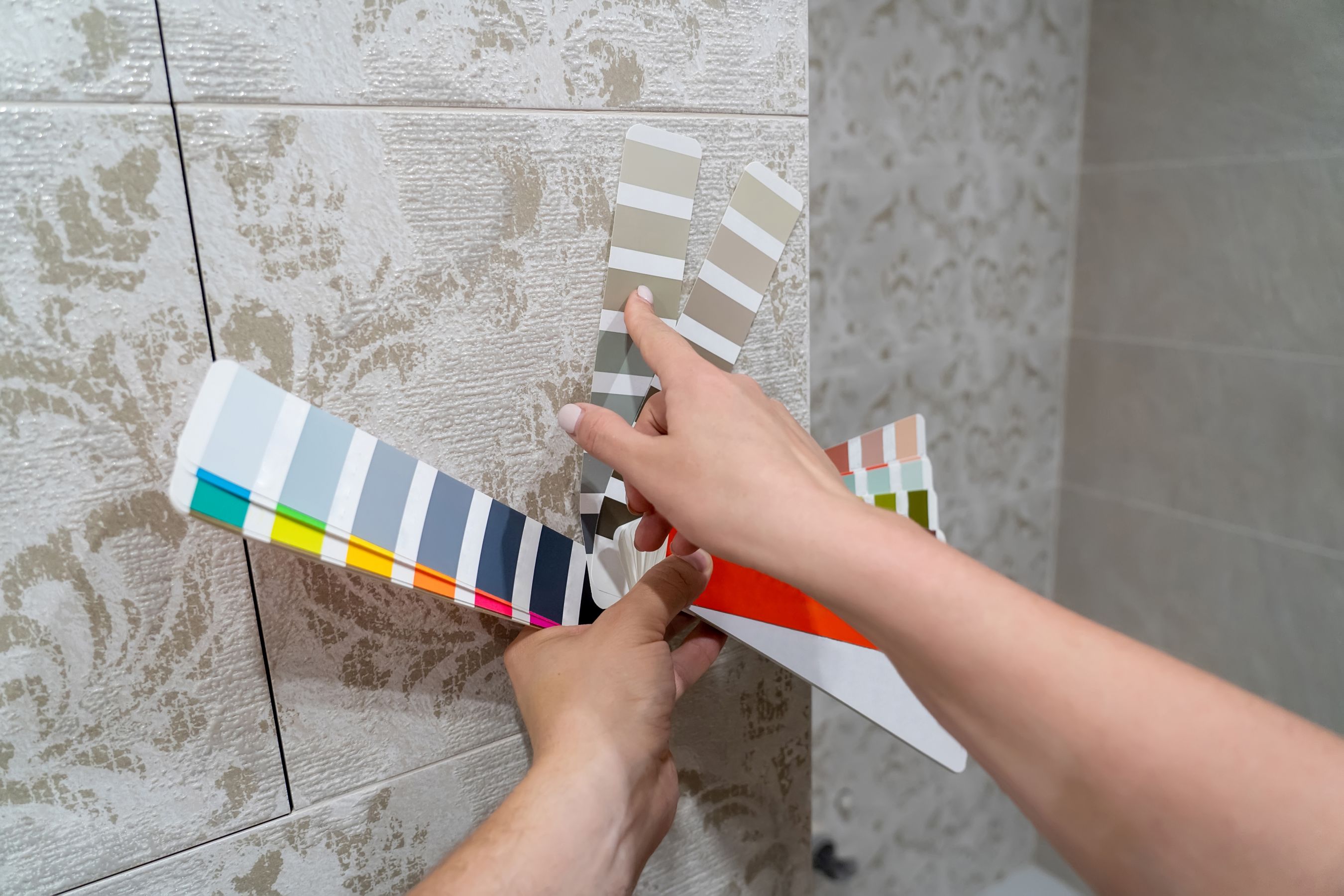
It started with a common enough problem. A shower leak in an old block where the replacement tiles could not be matched. There was no dispute about who was responsible. This was a bill for the strata. This fight was not about responsibility. It was about aesthetics.
The strata said the owner should live with replacement tiles that did not match the original tiles. The lot owner had other ideas. The repair could have been completed within weeks. What happened instead is unbelievable.
The parties lawyered up. Six separate proceedings across three different jurisdictions over nearly five years then followed. Three tribunal hearings, two Supreme Court hearings, and one tribunal appeal hearing. My conservative estimate is that each party spent at least $200,000 on legal costs. As of mid-2025, the bathroom still was not fixed.
How does this happen?
It is easy to be wise with the benefit of hindsight, so let’s apply some.
We do not know from the court reports what advice the strata manager and the lawyers gave the parties. We also do not know the back story of the relationships between the protagonists. There is always a back story, and very often it has nothing to do with the questions being litigated before the courts. But we can draw some basic conclusions. There are three.
Is the first problem that the initial advice was wrong?
The first problem is that these fights start when the initial advice is wrong or vague. In this case, the strata was always going to have to pick up the tab for a complete set of new tiles. The NCAT Appeal Panel later confirmed that the owners corporation’s repair obligation under s 106 of the Strata Schemes Management Act 2015 (NSW) extends to restoring the bathroom to a substantially similar aesthetic condition. A patchwork of mismatched tiles does not satisfy that obligation. This is long-settled law.
The strata manager should have known this and delivered the tough love early. Fix it now and fix it properly, or this will blow up in your face. Strata committees need to choose managers who will give them tough love when it is needed, and they need to be able to take it.
Does the choice of lawyer matter?
The second conclusion is that the choice of lawyer matters. When I read the case notes and checked the lawyers representing the parties, I was not shocked: two of the most combative firms I have ever come across. Both highly competent. Both, by reputation, more inclined to fight than to settle.
The Canadian academic Randy Lippert has written about what he calls “condo-isation”: the phenomenon where condominium governance systems generate their own self-sustaining ecosystems of professional advisers, including lawyers, whose livelihoods depend on the continuation of disputes rather than their resolution. Australia is not immune to this. Strata management has its own version of the problem, and it starts with the referral.
Read: Service Providers Impact on Strata Governance – Have Committees’ Decisions Become a Rubber Stamp?
Too many strata managers refer clients to the same firm every time. Usually, the one they have a relationship with, the one that sends the Christmas hamper, the one that sponsors their industry events. That is the ‘club.’ Good strata managers will go outside the club and give you a list of two or three of the best lawyers for the specific case, then help you through a documented process of conducting due diligence and selecting the right representation.
Should the committee havesurrendered control to the lawyers?
The third conclusion is that the strata committee must never surrender control of the outcome to the lawyers or the court. The only good case is a settled case. Once litigation takes on a life of its own, the costs compound, the positions harden, and the original problem disappears behind layers of procedural argument. In this dispute, the lot owner ended up gutting her own bathroom in frustration, stripping all tiles and whitegoods without notice to or consent from the owners corporation. The Supreme Court later found that her conduct broke the chain of causation, limiting her damages to just a few months of lost rent instead of the years she had been claiming. The committee on the other side ended up with a $98,374 compensation order funded through every other lot owner’s levies.
Read: The tide is turning on OCs behaving badly
Nobody won. A dispute about aesthetics consumed half a decade and more money than the apartment was probably earning in rent over the same period. The combined legal spend would have re-tiled every bathroom in the entire block, twice over. This is one of the silliest and frankly most pathetic cases I have ever read. Everyone associated with it should be ashamed of themselves.
Read: New Standards for Conflict Disclosure – There’s much more to it than insurance commissions!