
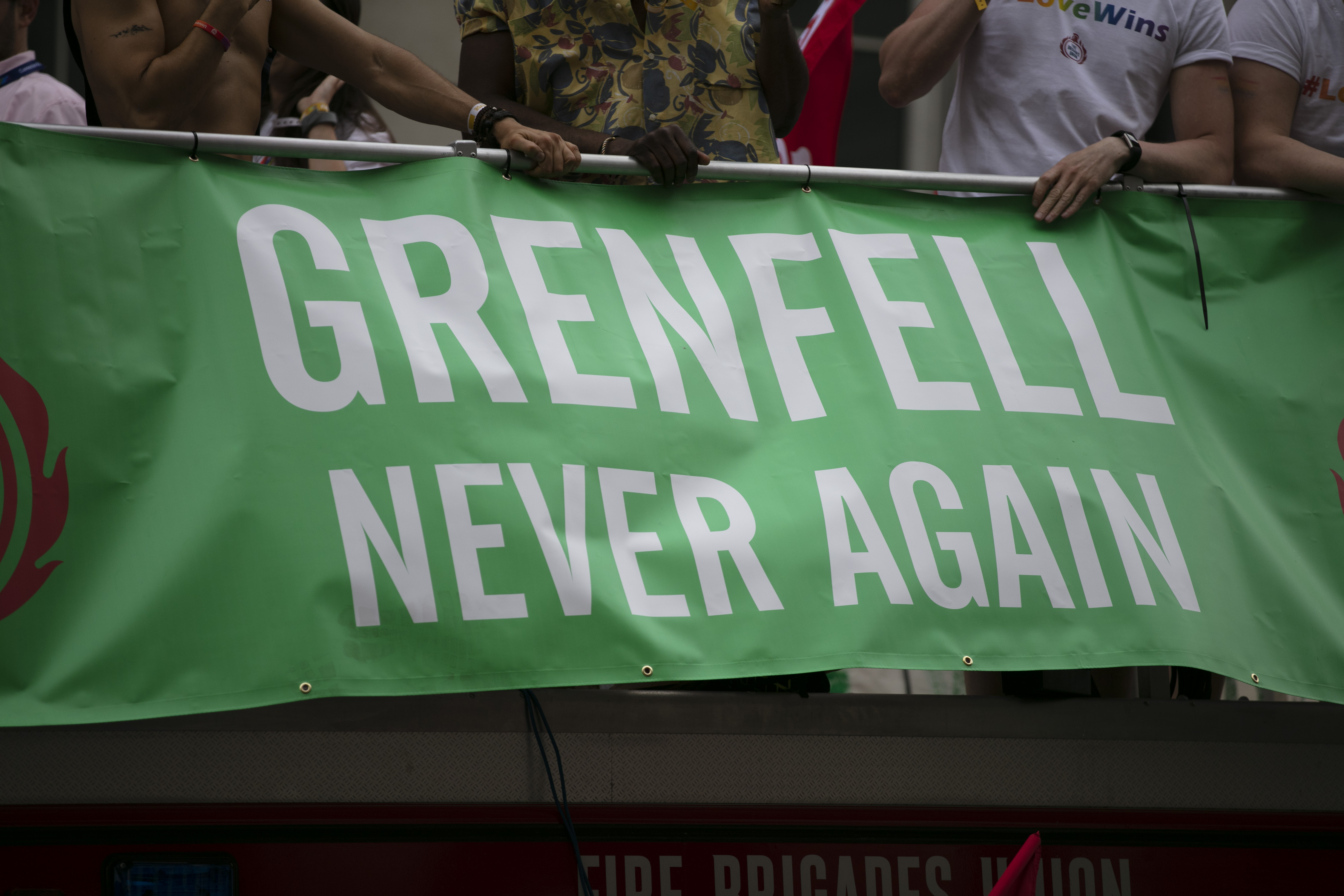
The Grenfell Tower tragedy
The Grenfell Tower tragedy that began the search for truth about flammable cladding in the construction industry
A23-storey tower block in North Kensington, West London, called Grenfell Tower,the site of one of the worst modern disasters to take place in the UK, has become synonymous with the worldwide combustible cladding crisis.
Built in 1970s, the structure was home to 120 apartments with up to 600 residents believed to be occupying the residence at the time of the incident. This public housing block was constructed in the brutalist style in 1974, and was managed by the Kensington and Chelsea Tenant Management Organisation on behalf of the Royal Borough of Kensington and Chelsea.
In 2015/2016, extensive refurbishment works were completed on the block by Rydon Construction as part of a £67m borough wide regeneration project. In October 2012, the K&C Tenant Management Organisation made a Planning Application for the Grenfell Tower Regeneration Project which proposed key changes to the internal organisation of the tower. In summary, the refurbishments sought to regenerate Grenfell Tower by addressing “over cladding of the exterior, changes to the arrangements of the lowest four levels, the creation of new floor area and some changes and enhancements to the area immediately adjacent to the tower.”
As a result of these refurbishments, the tower’s exterior was modernised to rainscreen cladding which is “believed to have included thermal insulation, and replacement windows, while curtain wall facades, a new heating system and smoke extract and ventilation system were also installed.”
Prior to the incident, serious concerns had been raised among residents about the fire safety of the building. In February 2013 the Grenfell Action Group released reports that warned “fire safety equipment had not been tested in 12 months.” In fact, Reg Kerr-Bell,the former chairman of the K&C Tenant Management Organisation, was reported to have stepped down from his position several years prior to the fire “over safety concerns” that were ignored. Despite this, following the refurbishment in 2016 the block was rated as having a “normal fire risk” by the London Fire Brigade.
In the early hours of 14 June 2017, a fire began on the 4th floor in one of the resident’s kitchens. Reports by Dr Niamh Nic Daéid (director of the Leverhulme Research Centre for Forensic Science at Dundee University) indicate a blaze was sparked by a Hotpot fridge-freezer in flat 16. The fire brigade logged the first calls for help at 12:54 am with fire crews arriving on the scene within minutes.
Before firefighters were able to begin fighting the source of the blaze, the flames had moved to the façade of the building. Within 20 minutes, the fire had reached the top floor on the east side of the tower. As part of the subsequent Grenfell Public Inquiry, fire safety engineer Dr Barbara Lane explains the vertical spread of the fire as moving "laterally along the cladding above and below the window lines (and) the panels between windows." By 2 am the scene was declared a “major incident” by the London Fire Brigade with over 200 firefighters and 40 fire engines present at the scene.
The Grenfell Tower’s existing fire safety policy followed a ‘stay put’ model that required residents to remain in the building in the event of a fire. However, as the blaze could not be contained to a single flat and rapidly spread out of control, this policy provided ineffective and caused residents to become trapped as thick poisonous smoke filled the structure.
Fire crews worked to rescue 65 residents,before the entire building was engulfed in flames at 4:30 am. The fire was not fully extinguished until the following day, burning for over 24 hours. 72 residents were killed in the fire and a further 70 injured, including 18 children, 29 women and seven elderly residents over 70 years old.
Lane’s post incident report reveals the cladding material used on the tower, Arconic’s product Reynobond 55PE, “contributed to the most rapid of the observed external fire spread” and that this cladding system was “substantially to blame for the tragedy”. Further, Professor Luke Bisby’s report to the public inquiry explains that “the ACM (aluminium composite material) product on Grenfell Tower incorporates a highly combustible polyethylene polymer filler which melts, drips, and flows at elevated temperature. The polyethylene filler material is expected to release large amounts of energy during combustion.”
The Grenfell Tower Inquiry has been established to examine the causes and events surrounding the incidence, hoping to establish the facts of the fire and issue recommendations to prevent future tragedies like this from taking place. More than 3 years later, the inquiry continues, and very little has been done to rid the world of combustible cladding.